The leaks that cause real damage are almost never the dramatic ones. They’re slow, hidden inside a wall or under a floor, and they run for weeks before anything shows. These are the signs worth acting on, plus the simple test that tells you for sure whether you have one.
1. Running water in a silent house
Stand in the hallway late at night with everything turned off and listen. A faint hiss or trickle with no faucet open is one of the most reliable signs there is, and it often shows up months before any visible damage. Put an ear to the wall in a few places and the sound usually gets louder near the source.
2. A strip of lawn greener than the rest
If the water service line runs under the yard, a leak waters the grass above it. A strip that stays lush in a dry August, or ground that feels soggy when it hasn’t rained, is pointing straight at the pipe underneath.
3. Water that tastes or smells different
A leak on a buried service line can pull soil and bacteria in through the same opening water escapes from, especially when pressure drops. A sudden earthy or metallic taste from a faucet that was fine last week is worth checking, not just filtering.
4. Paint or wallpaper that bubbles up
Moisture coming from behind lifts paint or wallpaper away from the wall before it ever stains it. Blistering paint, a wallpaper seam peeling on its own, or a soft bulge in the drywall all mean water is already in the structure.
5. Mold that keeps coming back to one spot
Mold cleaned off a wall and back within two weeks isn’t a ventilation problem. Something is keeping that area damp all the time, and in a bathroom or kitchen it’s very often a joint behind the tile rather than condensation.
6. A pump or boiler cycling more often
A system that keeps losing pressure has to work harder to hold it. If your boiler needs refilling more often than it used to, or a well pump kicks on several times an hour with nothing running, water is going somewhere.
“By the time you can see a hidden leak, it has usually been running long enough to do most of the expensive damage already.”
7. Confirm it with a meter test
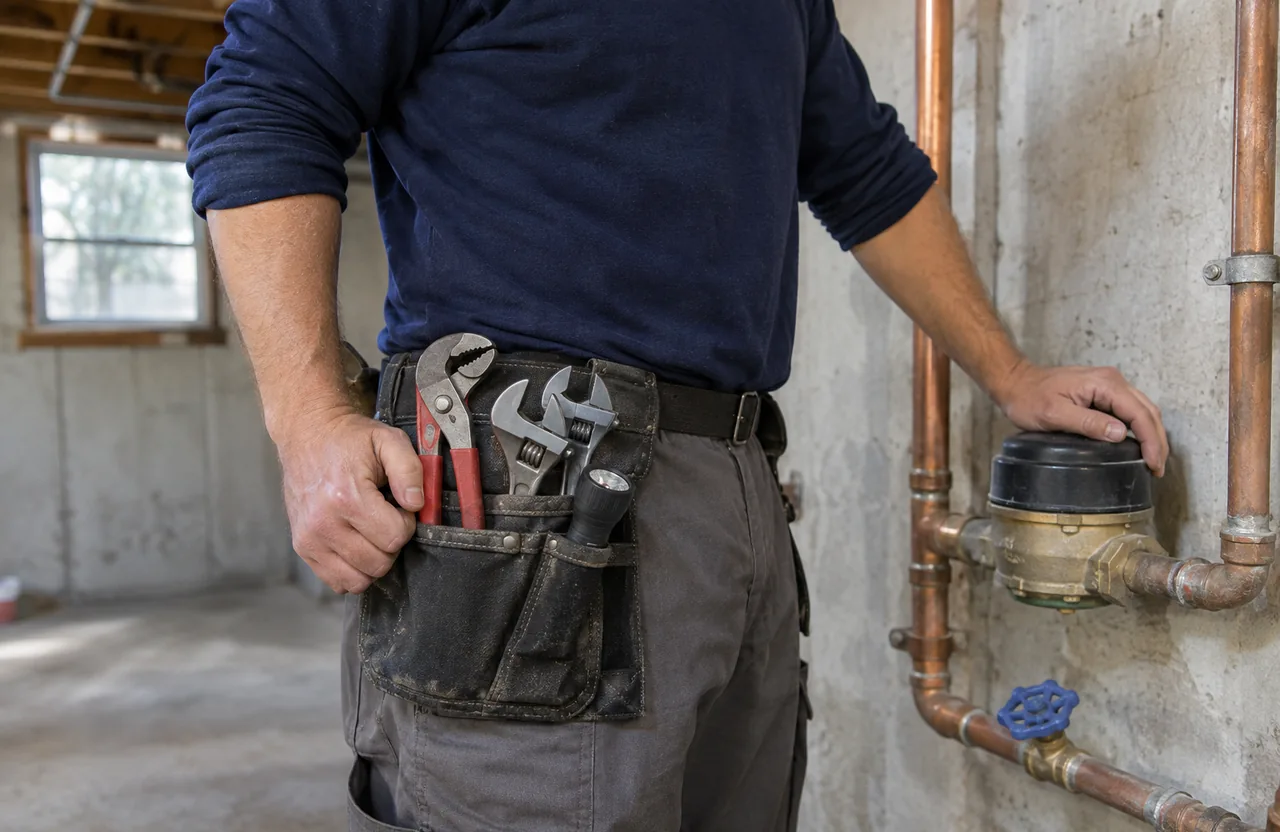
Turn off every faucet and appliance in the house, including the ice maker and any lawn sprinklers. Write down the exact meter reading, wait two hours without using any water, and read it again. Any movement means an active leak on your side of the meter.
That test costs nothing and settles the question completely. If it moves, book a leak detection visit instead of opening walls — acoustic and thermal equipment will find the spot in under an hour without taking anything apart.