Nothing about a frozen pipe is gradual. It holds, and holds, and then it splits — usually overnight, usually in the part of the house nobody visits in winter. An hour of work in the fall is the cheapest insurance there is against a January morning spent dragging furniture out of a flooded basement.
1. Find the pipes that sit in cold spaces
Attics, garages, crawl spaces, the run along an exterior wall and anything over an unheated porch are where pipes freeze first. Walk the house once with a flashlight before the weather turns and note every length of pipe that isn’t surrounded by warm air. Those are the ones that need attention; the rest mostly take care of themselves.
2. Drain and disconnect the outdoor spigots
Unhook every garden hose, close the indoor shutoff valve that feeds each outdoor spigot, then open the spigot and leave it open for the winter. Water trapped between a closed valve and a connected hose has nowhere to expand, and an outdoor spigot is the most common place a Columbus freeze does its damage.
3. Pipe insulation only works where it covers
Foam pipe sleeves are inexpensive and effective, but they protect exactly the length of pipe they wrap and nothing more. The gaps people leave — at elbows, at valves, where the pipe passes through a joist — are exactly the spots that freeze, because that’s where the metal is most exposed.
Cut the sleeves to fit around the bends instead of stopping short, and tape the seams. A continuous run of cheap foam beats an expensive product installed with gaps.
4. Let a faucet drip on the coldest nights
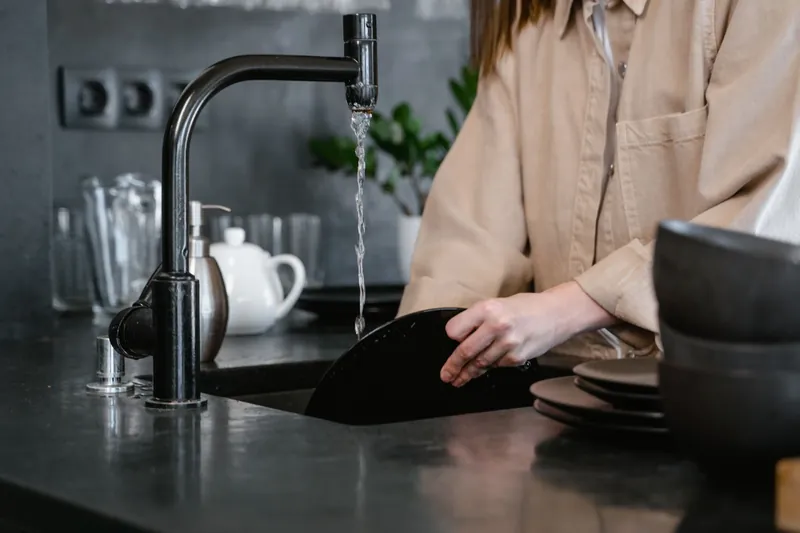
On the handful of nights each winter when temperatures really drop, open the faucet farthest from the main shutoff just enough for a steady drip. Moving water is much harder to freeze than still water, and the drip also relieves the pressure that actually splits the pipe when ice does form.
“A pipe rarely bursts right where it froze. It bursts between the ice and the closed faucet, where the pressure has nowhere left to go.”
5. Find your main water shutoff before you need it
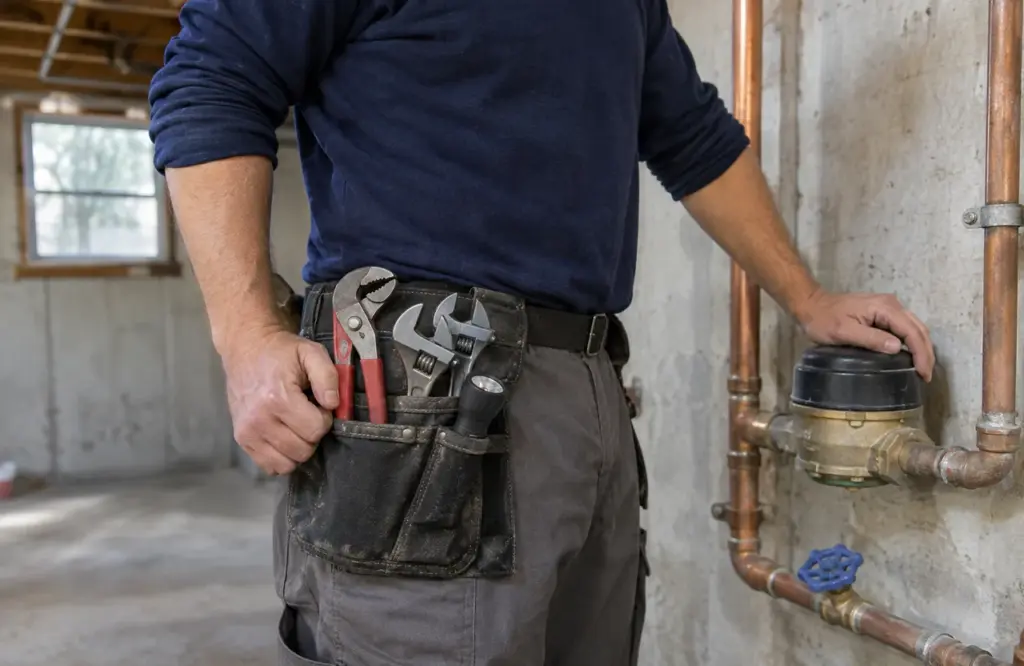
Locate the main water shutoff now, make sure it turns, and show everyone in the house where it is. A stuck valve discovered during a burst is a much worse problem than one discovered in October.
If you’re traveling over the winter, either leave the heat at 55°F or have the system drained properly. An empty house with the furnace off for two weeks is how most serious freeze damage happens.